


The iGaming Edge: What Smart Players Actually Do Differently
Walk into any poker room or scroll through a busy online casino lobby and you will notice something quickly: most players are reacting. A few are planning.
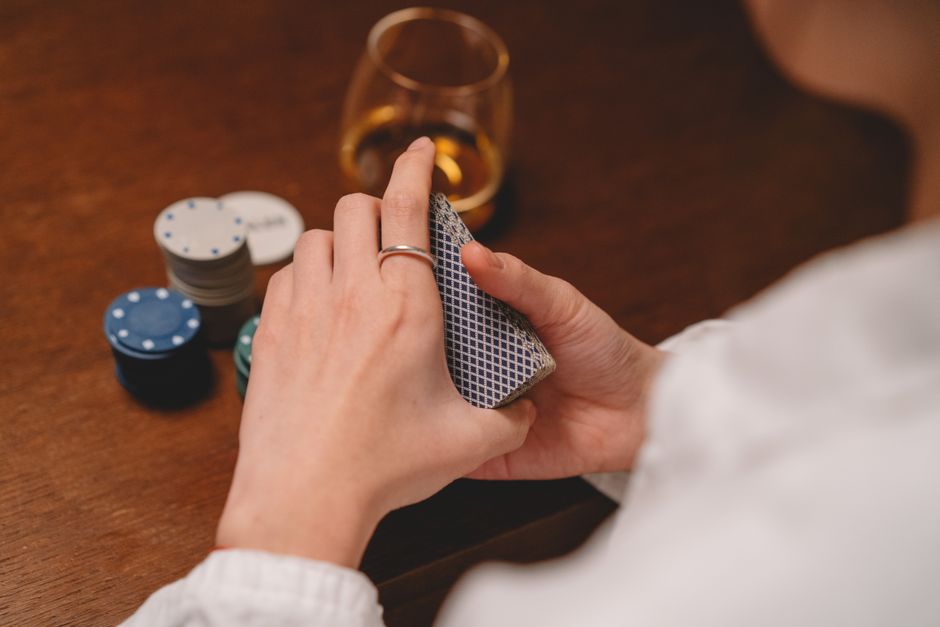
Walk into any poker room or scroll through a busy online casino lobby and you will notice something quickly: most players are reacting. A few are planning. The gap between those two groups is not luck, and it is not a secret system downloaded from a shady forum. It comes down to how they think about games, money, and their own behavior. After years of watching betting markets move, slot volatility charts scroll by, and poker tables turn strangers into rivals, one truth keeps showing up. The house always has an edge, but the player who understands that edge can shrink it, avoid the worst traps, and stretch their entertainment budget far longer than the person chasing a jackpot on autopilot.
Know the Math Before You Touch the Button
Every game in a casino or sportsbook is built on a mathematical foundation, and ignoring it is the fastest way to lose your bankroll. Three numbers matter more than any hot streak or gut feeling: house edge, return to player (RTP), and variance.
- House edge is the casino's built-in profit. Blackjack with basic strategy can drop under 0.5%, while some slots sit between 2% and 10%.
- RTP is the flip side. A slot with 96% RTP returns 96 cents per dollar wagered over millions of spins. That does not mean your session will return 96%.
- Variance explains why two slots with the same RTP feel completely different. High-volatility games pay rarely but hit hard. Low-volatility games drip small wins to keep you playing.
Here is the practical takeaway. If you want longer sessions on a fixed budget, low-volatility slots or table games with solid strategy beat chasing a 10,000x multiplier. If you are playing for the thrill of a big hit, accept that most sessions will end in a loss and set a hard stop before you start.
Slots: Stop Treating Them Like a Skill Game
This is where egos get bruised. Slots are random number generators. There is no hot machine, no cold machine, and no pattern in the reels that you can read. Casinos love the myth of the "due" jackpot because it keeps players feeding notes into a machine that owes them nothing.
What you can control is selection. Look for slots with clearly published RTP, and treat anything under 94% as expensive entertainment. Bonus buy features are tempting, but check the cost against the potential return. A 100x buy on a high-volatility slot might look cheap until you realize the average return on that feature is less than what you paid. Also, read the paytable. Players routinely miss that the top symbol on a slot pays 50x for five of a kind while a low symbol pays 2x, which changes how you should judge a near miss.
One underrated tip: slow down. Autoplay and turbo spin are designed to increase your hourly loss rate. If a slot costs $1 per spin at 60 spins per minute, you are cycling $60 a minute. That is $3,600 an hour in wagers, and at a 4% house edge, an expected loss of $144 per hour. Reduce your spin size or speed and the math becomes far friendlier.
Poker Is a Game of Edges, Not Cards
Poker is the one major iGaming vertical where a skilled player can genuinely beat the game. But the edge is smaller than most people think, and it lives in details. A good place to continue is tylenhacai.org.mx.
- Position is money. Acting last gives you information on every street. A mediocre hand in position often beats a strong hand out of position.
- Bankroll management is non-negotiable. A common guideline is 20 to 30 buy-ins for cash games and 50 to 100 for tournaments, depending on variance and field size.
- Track your results. If you cannot say whether you are winning at 3bb/100 or losing at 5bb/100, you are guessing. Hand histories and tracking tools matter.
- Exploit the field, not the textbook. Against players who call too much, stop bluffing and value bet thinner. Against tight players, steal more blinds.
The players who win consistently are not the ones pulling off cinematic bluffs. They are the ones folding the marginal hand, value betting the second-best hand correctly, and avoiding tilt after a bad beat. Mental game is half the battle in poker, and most amateurs lose far more to frustration than to bad luck.
Betting: Markets, Margins, and Motivation
Sports betting is not about picking winners. It is about finding prices that are wrong. Bookmakers build a margin, or vig, into every market. On a standard two-way line, that margin might sit around 4% to 5%. On exotic markets like first goalscorer or player props, it can balloon well past 10%.
That is why serious bettors specialize. Someone who follows a single football league, knows the lineup rotation habits of each manager, and understands weather and travel schedules will spot inefficiencies that casual punters miss. Compare prices across multiple books, because a half-point or a slightly better decimal can be the difference between a profitable season and a losing one. And treat promotions and free bets carefully. A bonus with a 10x rollover on a market with a heavy margin is rarely as generous as it looks.
Remember the golden rule of betting: the goal is not to win every bet, it is to make bets where the implied probability is lower than the true probability. That is a grind, not a thrill ride.
Responsible Play Is Not a Buzzword
Here is the uncomfortable part. The iGaming industry is designed to keep you playing. That is not a conspiracy, it is just business. Enticing interfaces, near-miss animations, and reload bonuses all push you toward one more spin or one more bet.
Players who last do three things. They set a loss limit before they log in, not after a bad run. They track time, because two hours can easily vanish. And they take breaks, especially after a big win. Chasing a loss is the single most common way a fun session turns into a disastrous one. If you find yourself betting more than planned, hiding it from people, or playing to recover money rather than to enjoy the game, step away. No strategy in the world beats a clear head.
The Final Hand
iGaming rewards players who treat it like a hobby with rules, not a rescue plan for their finances. Understand the math, choose your spots, specialize rather than scatter your attention, and respect your limits. The house is not going anywhere, and its edge is real, but the informed player walks away from a session with a story, not a sob story. Whether it is a poker table, a slot lobby, or a weekend accumulator, the person who does the homework is the person who has the most fun losing the least.


Post a comment